

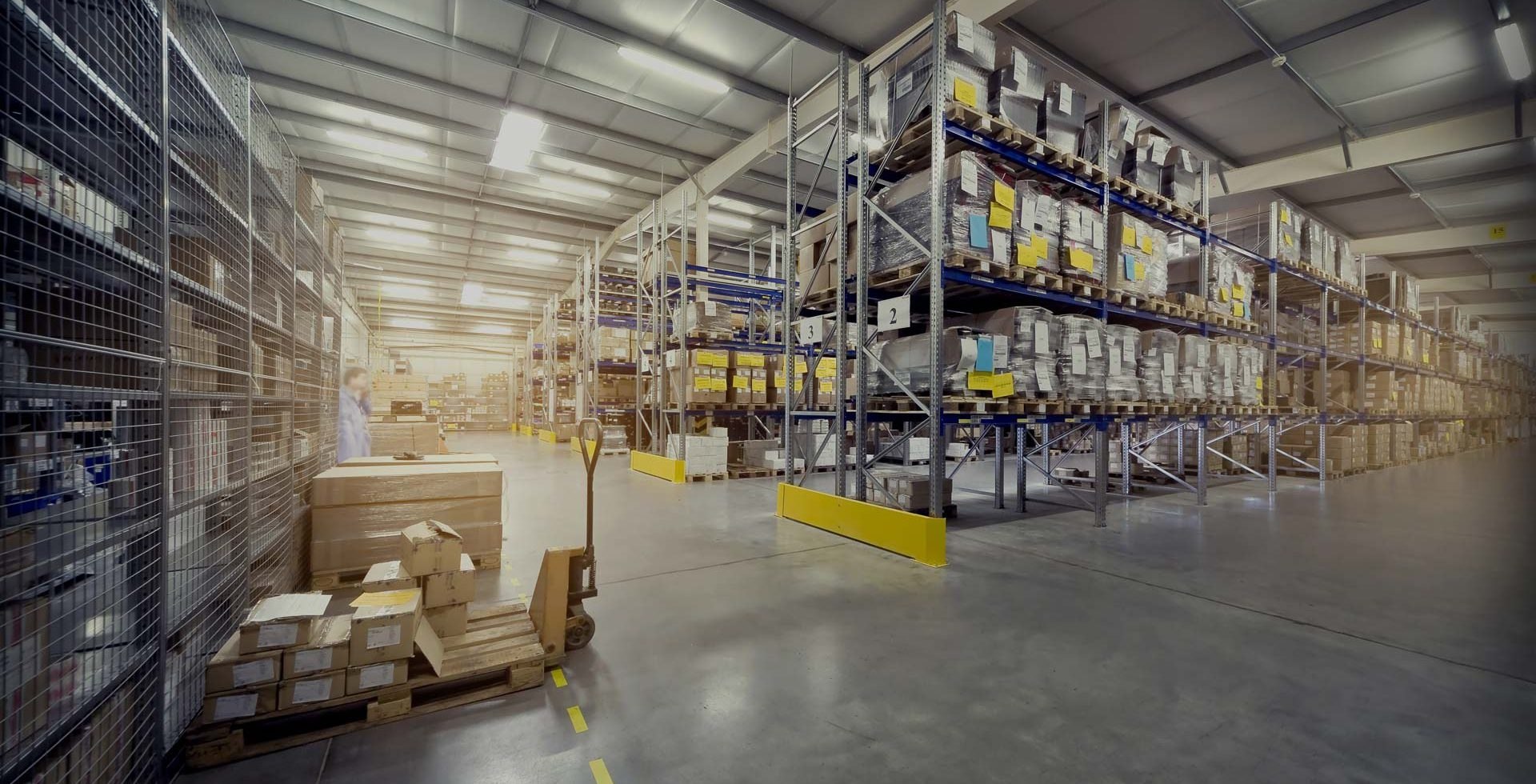
Buying used industrial parts isn't like buying used furniture. You can't just look at a photo and decide it'll probably work. A module that looks fine on the outside can have failing capacitors, a hidden short, or firmware that doesn't match your machine. And when that part goes into a production line, the cost of getting it wrong isn't the price of the part, it's the hours or days of downtime while you scramble for a replacement.
But when you get it right, used parts are the smartest money you'll spend. They cost 50 to 80% less than new. They ship in days instead of months. And for discontinued components, which is most of the industrial automation world at this point, the used market is sometimes your only option.
This guide is for the maintenance manager who needs a replacement drive by Friday, the procurement person who's been told to cut costs without cutting corners, and anyone who's ever stared at an eBay listing wondering if that "tested, working" module is actually tested and working. I've bought and sold thousands of used industrial parts over the years, and I've learned what separates a good buy from an expensive mistake.
Start with the seller, not the part
The single biggest predictor of whether a used part will work isn't the part number or the photo, it's who you're buying from. A seller who specializes in industrial automation, has been around for years, and actually tests their stock is worth more than any amount of listing photos.
When I'm evaluating a supplier, I look for three things. First, do they specialize? If someone's selling Siemens drives alongside used sneakers and vintage lamps, they probably pulled that drive from an auction lot and have no way to test it. Second, how long have they been in business? Five years or more in industrial parts means they've survived because their stuff works, bad suppliers don't last in this industry. Third, do they actually describe how they test? "Tested" means nothing by itself. A note like "powered on under load for 4 hours, all fault LEDs cleared, parameters verified against factory defaults" means something.
Check their reviews too. Not just the star rating, actually read what people say. Look for buyers who mention similar equipment to yours, and pay attention to how the seller handles problems when they come up. Every seller ships a dud occasionally. The good ones make it right fast.
What the photos should show you
A listing with one blurry photo taken from three meters away is a red flag. You want multiple clear shots, and you want them to show specific things.
The overall condition matters, but surface dirt isn't necessarily a problem, industrial cabinets get dusty, and a module pulled from a working machine might look grimy but function perfectly. What you're looking for is damage: bent pins on connectors, corrosion (especially around battery compartments or capacitors), burn marks anywhere on the board, cracked plastic housings, missing screws, or signs that someone already tried to repair it and gave up. A previous repair attempt isn't automatically disqualifying, but the seller should disclose it. If they don't, what else aren't they telling you?
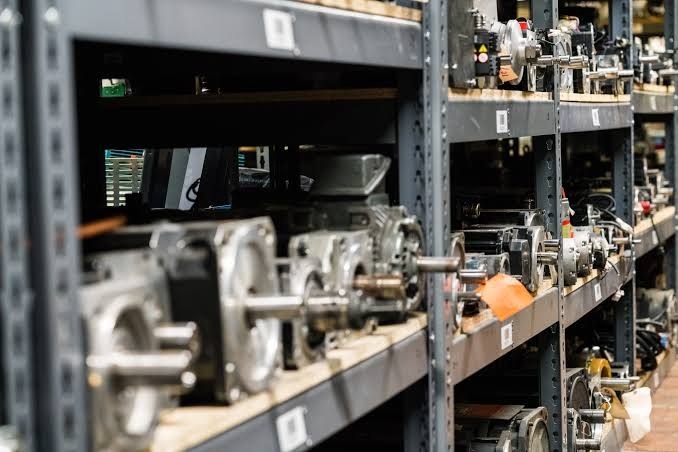
Pay special attention to the label. The part number and revision should be crisp and readable, not just in the listing title, but visible on the actual unit in the photo. I've seen too many cases where the listing said one thing and the label said another. If the label is worn or missing entirely, ask the seller how they confirmed the part number. If they can't give you a straight answer, move on.
For electronic modules, ask for a photo of the board itself if the housing can be opened. You want to see clean traces, capacitors that aren't bulging or leaking, and no obvious rework unless it was professionally done and disclosed. A seller who refuses to show the board usually has a reason.

The questions you should always ask
Before you click buy, send the seller a message, even if the listing looks complete. How they answer tells you as much as what they say.
Was this part pulled from a working machine, or from a decommissioned line? There's a difference. A part pulled from a machine that was running last week is a much safer bet than one pulled from a line that was shut down three years ago for unknown reasons.
How was it tested, and when? A test six months ago before it went on the shelf isn't the same as a test this week before shipping. The best suppliers test at the point of sale, not at the point of intake.
What's your return policy if it doesn't work in my machine? At a minimum, you want 14 days. Thirty is better. And clarify whether they cover return shipping, since it's a small thing, but it tells you how confident they are in their testing.
Can you confirm firmware version if applicable? For drives, HMIs, and controllers, firmware matters. A module with firmware that doesn't match your system might power up fine on a bench and still not work in your cabinet. If you're not sure what firmware you need, check your existing module's label or parameter screen before you order.
Red flags that should make you walk away
Some warning signs are obvious. A price that's too good to be true, it is. A seller who pressures you to buy immediately because "someone else is interested," let them have it. No returns under any circumstances, even honest sellers make mistakes, and the ones who won't stand behind their products are telling you something.
Less obvious red flags: stock photos instead of actual photos of the item you'll receive. Vague testing descriptions like "powers on" for a complex drive module, when powering on is not the same as passing a load test. Listings that use the phrase "untested but was working when removed" usually mean "I have no way to test this and I'm hoping it's fine." It might be fine, but you're gambling.
Also watch out for part number games. Some sellers list a compatible or substitute part number in the title but the actual unit in the photo is a different revision. If the listing says "6SN1118-0DM33-0AA1 or equivalent," there's a good chance they don't actually have the exact part, just something close, and they're hoping you won't check. Always verify the part number on the label in the photos matches what you need.
New, used, or refurbished: which one makes sense?
New parts from the manufacturer are the safest option, but they're expensive and often have long lead times. For a brand-new production line under warranty, new makes sense. For a 15-year-old machine that just needs to keep running, it usually doesn't.
Refurbished parts sit in the middle. They've been professionally remanufactured, often with new capacitors, fans, or other wear components replaced, and they typically come with a solid warranty. The downside is cost, refurbished units run more than used and sometimes approach new pricing. They're a good choice for critical components where downtime is extremely expensive and you want the assurance of a full rebuild.
Used parts are the sweet spot for most maintenance situations. You get a working unit at a fraction of new cost, delivered in days, and from a reputable supplier you'll get a warranty that covers you if something goes wrong. For the majority of industrial automation components, including drives, HMIs, PLC modules and power supplies, properly tested used parts perform just as reliably as new ones for a fraction of the price. For a category-specific example, see our piece on used Siemens HMI panels.
What to do when the part arrives
Don't just install it and hope. Take five minutes to inspect it properly before it goes into the machine.
Compare it side by side with the old unit. Part number, revision, connectors, everything. Look for anything different, an extra LED, a missing port, a different firmware sticker. If something doesn't match, stop and ask before you power up.
Check for shipping damage. Even well-packaged modules can take a hit in transit. Look for loose components rattling inside, cracked housings, or bent connectors that weren't in the listing photos.
If the part has a battery (many controller and HMI modules do), check the voltage before installation. A dead backup battery won't stop the module from working immediately, but if you lose power before you replace it, you'll lose parameters or programs, and that's a much bigger problem.
Finally, document everything. Take a photo of the installed unit, note the date, and keep the seller's information handy. If something goes wrong in the first few weeks, you want a clear record of what went in and when.
A smarter way to buy
The used industrial parts market isn't a gamble, it's a market like any other, and the people who do well in it are the ones who do their homework. Vet the seller. Study the photos. Ask the right questions. Know your part numbers. And when you find a supplier who consistently delivers good parts at fair prices with real testing and real support, stick with them.
That's what we aim to be at Samonde. Every part we sell goes through a documented testing process before it ships, and everything comes with a warranty. If you're looking for something specific, browse our full inventory or reach out, and we'll help you find the right part and make sure it works when it arrives.
Related reading: SIMODRIVE 611 common failures, Siemens SINAMICS fault codes, and common HEIDENHAIN encoder problems.
Need a specific part? Browse our inventory or contact us with your part numbers.


